
PREMIUM METAL ROOFING
Metal Roofing for Monmouth County, NJ Homes
Metal roofing offers a refined exterior look, strong weather resistance, and long-term performance for the right home and roof design.
All Weather Roofing helps homeowners compare metal roofing options, including standing seam and metal shingle systems, with clear guidance about appearance, installation details, cost, and available manufacturer coverage on qualifying systems.
WHY HOMEOWNERS CONSIDER METAL
A refined roof system with long-term appeal
- Standing seam and metal shingle options
- Strong choice for select premium homes
- Durable finishes and clean architectural lines
- Available manufacturer coverage on qualifying systems
A DIFFERENT KIND OF ROOF SYSTEM
What Makes Metal Roofing Different?
Metal roofing is chosen for more than appearance. The right system can provide clean architectural lines, durable finishes, strong weather resistance, and long-term value when installed properly.
The details matter. Panel type, fastening method, flashing, underlayment, ventilation, expansion and contraction, and roof design all affect how a metal roof performs.
01
Clean Architectural Lines
Metal roofing can create a crisp, refined exterior appearance, especially with standing seam panels and carefully planned roof details.
02
Durable Finish Options
Metal roofing systems are available with durable factory-applied finishes in colors that can complement both traditional and modern homes.
03
Weather Resistance
When installed correctly, metal roofing can be a strong option for homes exposed to wind, rain, coastal moisture, and changing New Jersey seasons.
04
Installation Precision
Metal roofing requires careful detailing around seams, clips, fasteners, flashing, transitions, ventilation, and expansion movement.
METAL ROOFING OPTIONS
Standing Seam vs. Metal Shingles
Metal roofing is not one single look. Some homes are better suited for standing seam panels, while others may call for metal shingles or accent areas. The right choice depends on the roof design, appearance goals, budget, and product selected.
LOCAL DESIGN AND PERFROMANCE
Metal Roofing for Premium & Coastal New Jersey Homes
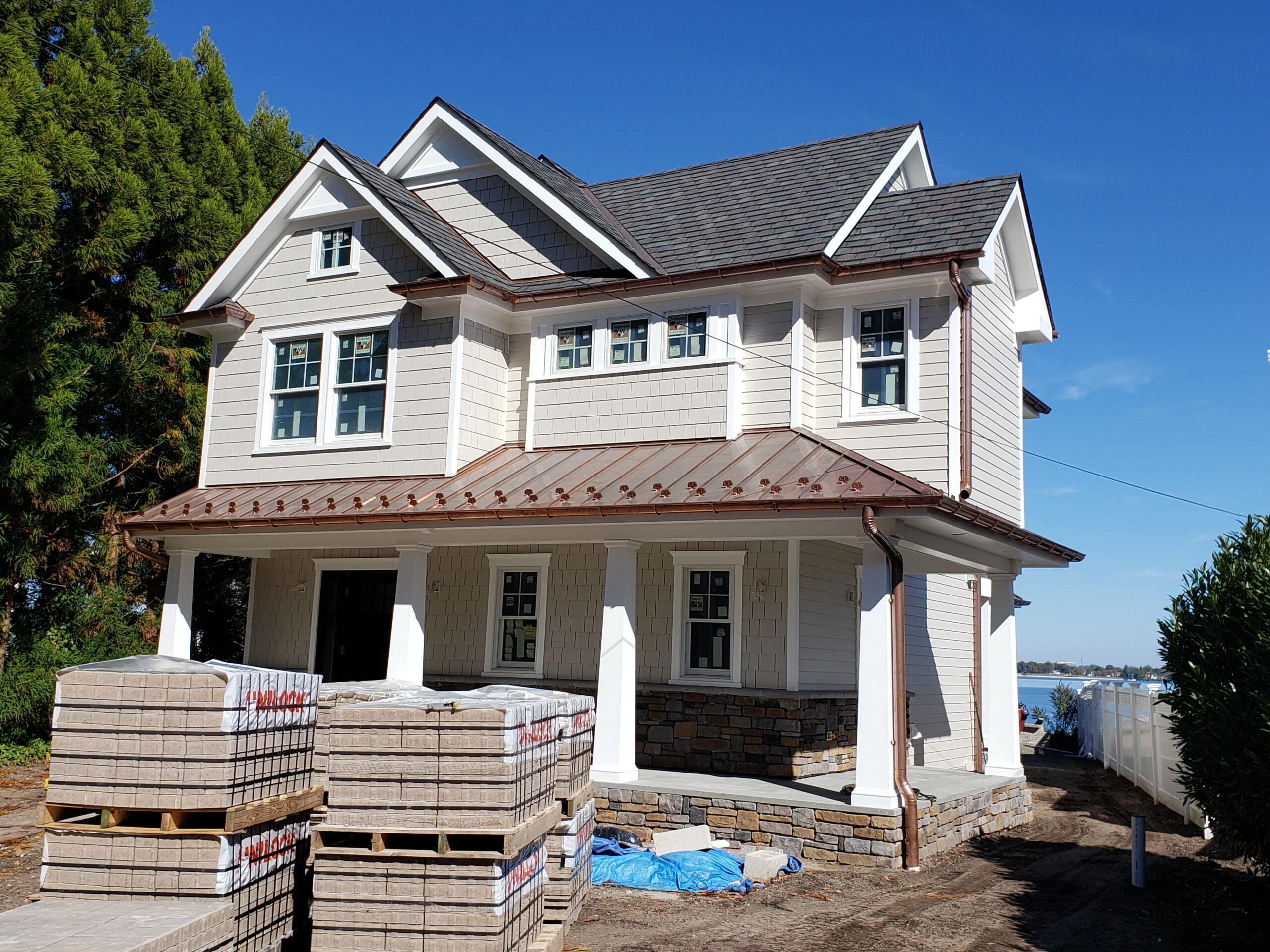
Metal roofing can be a strong fit for select Monmouth County homes where appearance, long-term performance, and architectural detail are priorities.
Homes near the shore, wooded properties, and custom homes with complex rooflines all require careful material selection and installation planning. The right metal roofing system should be chosen for the roof design, exposure, budget, and overall exterior style.
- Refined appearance for premium exterior designs
- Strong option for select coastal and weather-exposed homes
- Useful for porches, additions, accent roofs, and full roof systems
- Installation details matter around seams, flashing, and transitions
INSTALLATION PRECISION
Metal Roofing Depends on the Details
A metal roof needs more than attractive panels. The installation must account for fastening method, expansion and contraction, flashing, underlayment, ventilation, transitions, and manufacturer requirements.
Careful planning helps the finished roof look clean and perform properly over time.
COST and VALUE
Metal Roofing Is Usually a Higher-Investment Roof Option
Metal roofing often costs more than a standard architectural asphalt shingle roof, but it may offer long-term value for the right home, roof design, and homeowner goals.
The final cost depends on the metal roofing system selected, roof complexity, panel or shingle profile, flashing details, access, underlayment, ventilation, and installation requirements.
WHAT AFFECTS METAL ROOF COST
Metal roof pricing depends on the system and details.
- Standing seam vs. metal shingle system
- Panel profile, finish, and manufacturer requirements
- Roof size, pitch, and access
- Flashing, transitions, valleys, and penetrations
- Underlayment, ventilation, and deck condition
- Whether metal is used for the full roof or accent areas
RECENT METAL ROOFING WORK
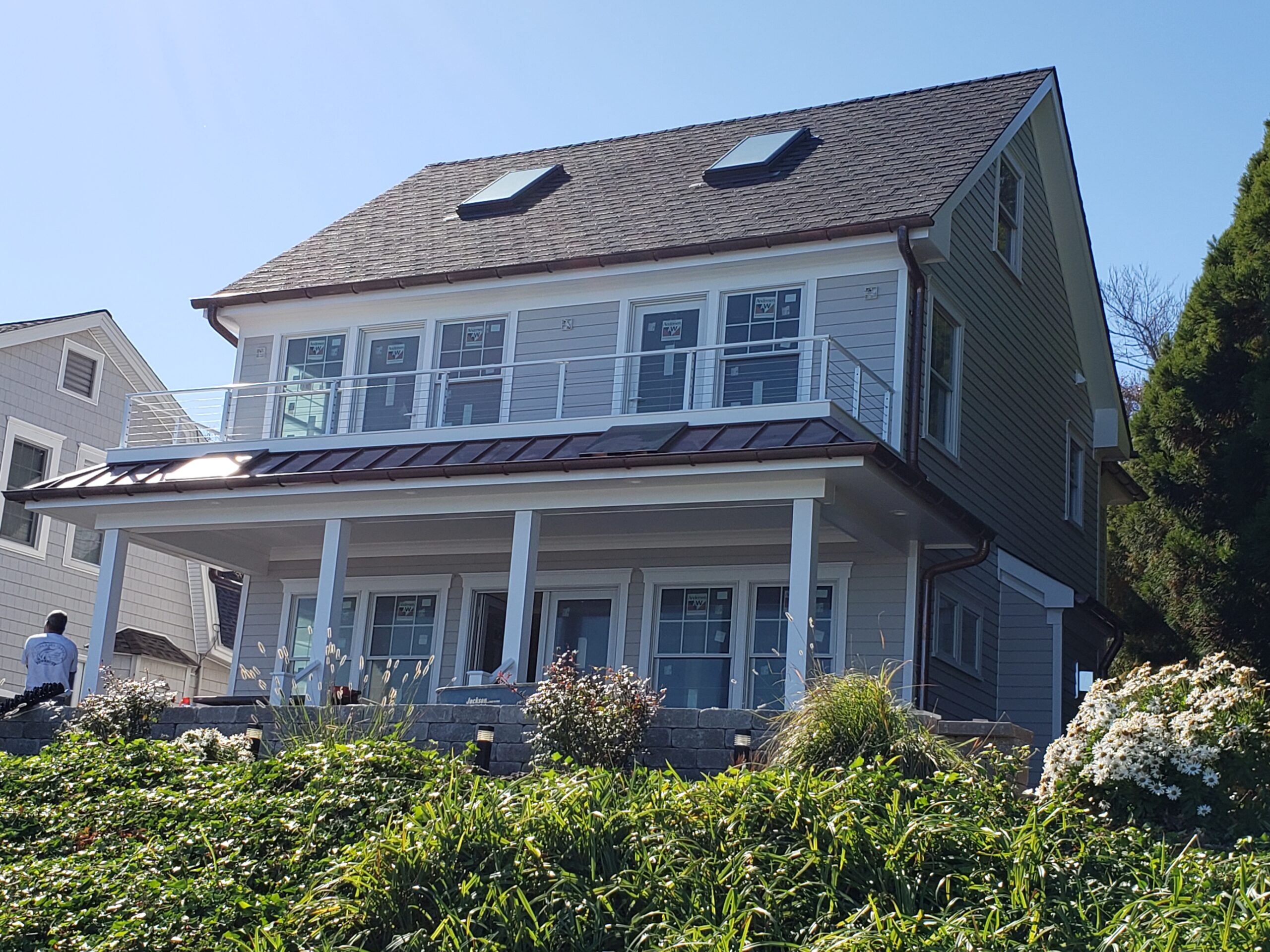
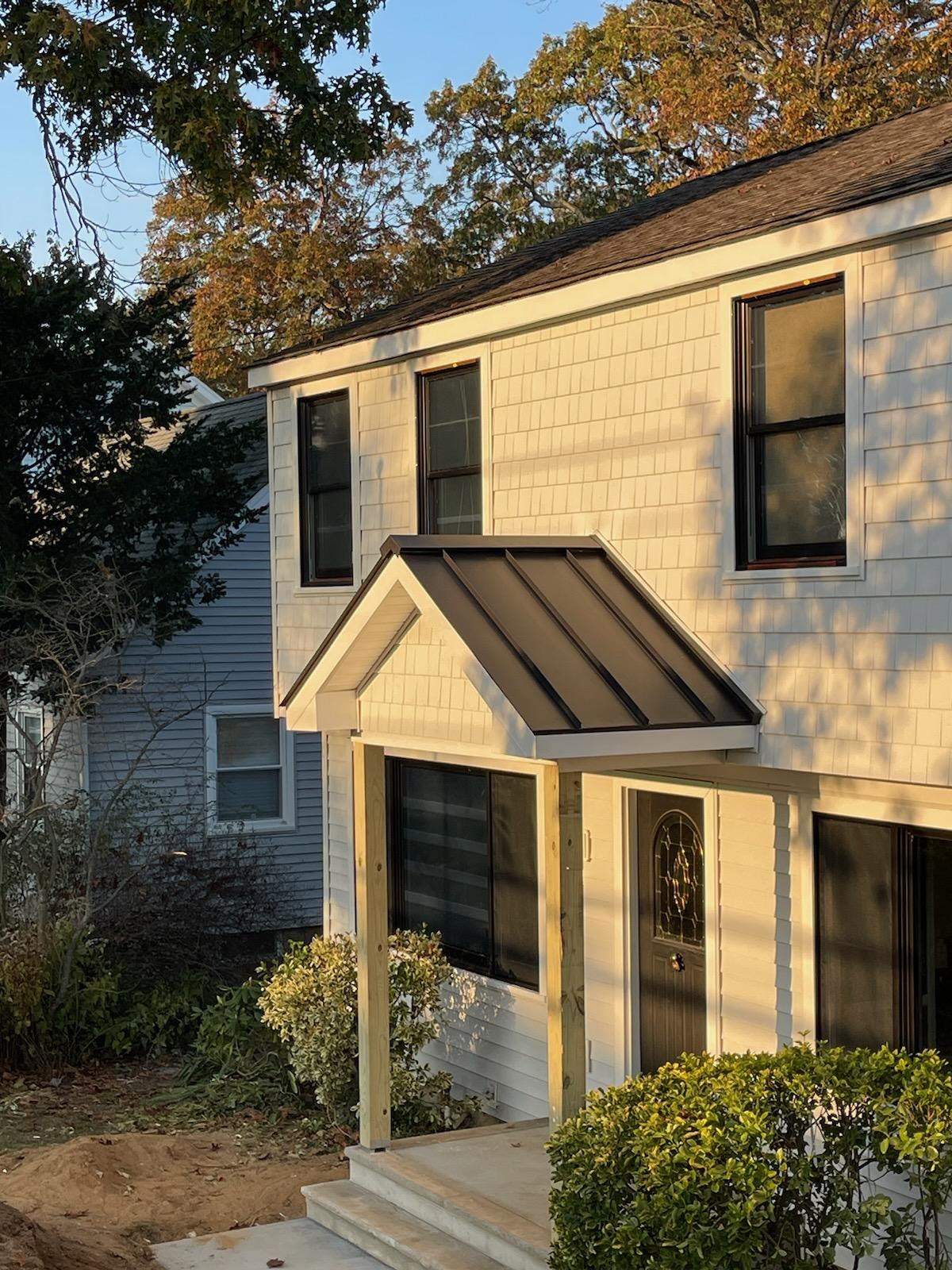
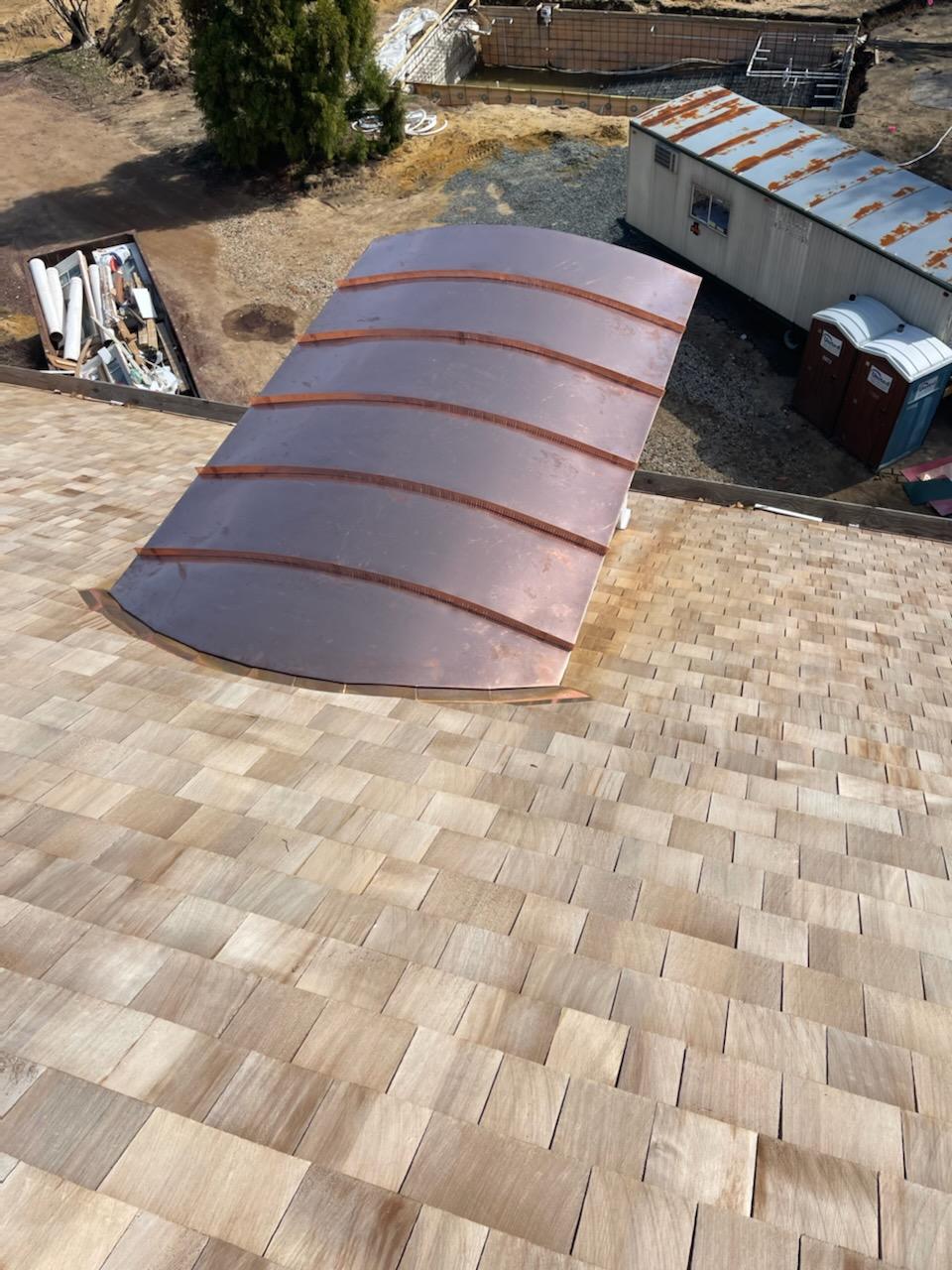
Metal Roofing Details That Elevate the Exterior
Metal roofing can be used for full roof systems, architectural accents, porches, additions, and specialty roof areas. The right application depends on the home’s design and the selected system.
CHOOSING THE RIGHT ROOF
Is Metal Roofing Right for Your Home?
Metal roofing can be an excellent option for certain New Jersey homes, especially when long-term performance, clean lines, and a more distinctive exterior appearance are priorities.
It is not the right fit for every property or budget. Before recommending a metal roofing system, we look at the roof design, slope, existing conditions, ventilation, flashing details, and the overall goals for the home.
Our goal is to help you understand whether metal roofing is truly the right investment, or whether another roofing system would make more sense.
Best For
- Homeowners planning to stay long term
- Homes where appearance is a priority
- Projects where durability and lower maintenance matter
- Accent roofs, porches, dormers, and specialty areas
Important to Consider
- Higher upfront cost than standard asphalt shingles
- Installation details matter more than the material alone
- Not every roof design is ideal for every metal system
- Flashing, transitions, and ventilation must be planned carefully
Our Recommendation
If metal roofing is a good fit, we will explain the system options clearly. If asphalt, cedar, or another roofing approach makes more sense, we will tell you that too.
MATERIAL AND STYLE OPTIONS
Metal Roofing Options We Can Review
Metal roofing is not one single product. The right choice depends on the roof design, appearance goals, budget, and the details required for proper installation.
We can help you compare the available metal roofing options and understand which systems may be appropriate for your home.
Standing Seam Metal Roofing
Standing seam systems use raised vertical seams for a clean, modern appearance. They are often considered for premium roof areas, accent sections, porches, and homes where a sharper architectural look is desired.
Metal Shingles
Metal shingles can provide some of the durability advantages of metal while offering a more familiar residential roof appearance. They may be considered when homeowners want metal performance without the standing seam look.
Metal Accent Roofs
Metal can also be used selectively on porches, bay windows, dormers, entry roofs, and other architectural details. Accent areas can add visual interest without replacing the entire roof with metal.
COMMON QUESTIONS
Metal Roofing Questions Homeowners Ask
Metal roofing is a premium option, so it is worth understanding the system, cost, appearance, installation requirements, and whether it is the right fit for your home.
Is metal roofing more expensive than asphalt shingles?
In most cases, yes. Metal roofing is usually a higher-investment roofing option than standard architectural asphalt shingles. The final cost depends on the selected metal roofing system, roof design, panel or shingle profile, flashing details, access, underlayment, ventilation, and installation requirements.
What is the difference between standing seam and metal shingles?
Standing seam metal roofing uses raised seams and concealed fasteners for a clean architectural look. Metal shingles are designed to provide metal roofing performance with a more familiar shingle-style appearance. The right choice depends on the home’s design, roof shape, appearance goals, and product selected.
Is metal roofing a good option near the shore?
Metal roofing may be a strong option for select coastal or weather-exposed homes, but the product, finish, fastening method, and installation details matter. Homes near salt air or high-wind exposure should be evaluated carefully before selecting a system.
Is a metal roof noisy when it rains?
A properly installed residential metal roof is installed over roof decking, underlayment, and attic space, so it is not the same as rain hitting an open metal shed. Noise depends on the roof assembly, insulation, attic conditions, and the selected metal roofing system.
Can metal roofing be used as an accent instead of a full roof?
Yes. Metal roofing is often used on porches, additions, bay windows, entry roofs, low-slope transitions, and other accent areas. It can also be used as a full roof system when the home, budget, and design goals are a good fit.
Does metal roofing require special installation?
Yes. Metal roofing requires careful attention to panel type, fasteners, clips, flashing, underlayment, expansion and contraction, ventilation, and manufacturer requirements. Installation details have a major effect on appearance, performance, and available coverage.
ready to start?
Request a Clear Roofing Estimate
If you are planning a roof replacement, siding project, or gutter work in Monmouth County, we can help you understand the condition of your home and the options that make sense.
You can expect straightforward communication, a written estimate, and recommendations based on what your home actually needs.
✓ 15-Year Workmanship Warranty
✓ 60+ Five-Star Reviews
Tell Us About Your Project
Share a few details and we’ll follow up to schedule the next step.