
ROOF REPAIR OR REPLACEMENT?
7 Signs You May Need a New Roof in New Jersey
Roof problems do not automatically mean the entire roof needs replacement. Some issues can be corrected with a targeted repair, while others indicate that the complete roofing system is approaching the end of its useful life.
This guide explains the warning signs homeowners should watch for and why the shingles, flashing, decking, ventilation, leak history, and overall roof condition should be evaluated together.
START WITH THE EVIDENCE
A roof should be evaluated as a complete system.
- Condition of shingles across the entire roof
- Location and frequency of active leaks
- Flashing around valleys, walls, chimneys, and penetrations
- Decking condition and signs of attic moisture
- Ventilation and heat-management concerns
- Roof age, previous repairs, and installation history
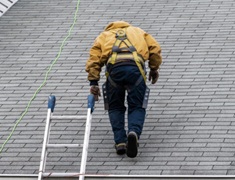
HONEST ROOFING GUIDANCE
One Warning Sign Does Not Automatically Mean You Need a New Roof
A missing shingle, isolated leak, or small flashing problem may be repairable when the surrounding roof is still performing properly. Replacement becomes more likely when deterioration is widespread, leaks keep returning, or several parts of the roofing system need correction together.
Roof age also provides context, but it should not be the only reason for recommending replacement. Installation quality, ventilation, exposure, maintenance history, storm damage, and the condition of the complete system all affect how a roof performs.
- Localized damage may be suitable for a targeted repair
- Widespread wear requires a complete roof evaluation
- Recurring leaks may indicate problems beyond the visible area
- Decking, flashing, and ventilation should be considered together
SIGNS TO WATCH FOR
7 Warning Signs That Deserve a Closer Look
None of these conditions automatically proves that the entire roof needs replacement. The pattern, severity, location, and condition of the surrounding roofing system determine what the warning sign actually means.
Age Accompanied by Other Warning Signs
Age alone does not determine whether a roof needs replacement. It becomes more meaningful when an older roof also has recurring leaks, brittle shingles, widespread wear, or failing details.
Curling, Cracking, or Brittle Shingles
Shingles that are curling, splitting, cracking, or breaking easily may no longer provide dependable coverage. The extent of the deterioration matters more than one isolated damaged shingle.
Shingles That Keep Lifting or Disappearing
One missing shingle may be repairable. Repeated wind damage or lifting across several roof areas may indicate aging materials, fastening problems, or reduced resistance to future weather.
Widespread Granule Loss and Bare Areas
Some loose granules are normal, especially after installation. Broad areas of exposed asphalt, uneven color, or continued heavy granule loss may indicate advanced shingle wear.
Leaks or Ceiling Stains That Keep Returning
A recurring leak may come from flashing, shingles, valleys, penetrations, or hidden water travel. Multiple leak locations often justify evaluating the complete roofing system.
Failing Flashing and Roof Transitions
Walls, chimneys, skylights, valleys, additions, and low-slope transitions depend on carefully installed flashing. Repeated failure in these areas can expose decking and interior spaces to water.
Soft Decking, Sagging, or Uneven Roof Areas
Visible sagging, movement, or soft roof decking may indicate moisture damage or structural concerns. These conditions should be professionally evaluated promptly without walking on the affected area.
THE PATTERN MATTERS
When Is Repair Enough—and When Is Replacement More Practical?
One damaged area may have a straightforward repair solution. Replacement becomes more likely when problems appear throughout the roof or several parts of the roofing system need correction together.
REPAIR MAY BE ENOUGH
Localized problems can often be corrected.
A targeted roof repair may be appropriate when the surrounding materials and the rest of the roofing system remain in serviceable condition.
- Damage is limited to one clearly identified area
- The surrounding shingles remain flexible and secure
- Decking damage is minor and accessible
- The leak comes from a repairable flashing detail
- The roof has not developed repeated problems elsewhere
REPLACEMENT MAY BE BETTER
Widespread problems require a broader solution.
Full replacement may provide better long-term value when deterioration affects multiple areas or the complete system can no longer be repaired reliably.
- Leaks occur repeatedly or in different areas
- Shingle deterioration is visible across the roof
- Previous repairs are beginning to fail
- Decking, flashing, or ventilation needs broader correction
- Additional repairs would offer limited long-term value
BUILT FOR LOCAL CONDITIONS
New Jersey Weather Can Reveal Existing Roof Weaknesses
Heavy rain, strong wind, summer heat, winter freeze-thaw cycles, snow, ice, and changing levels of sun and shade all affect how a roof ages. Severe weather does not automatically mean the roof needs replacement, but it can expose materials and details that were already beginning to fail.
Brittle shingles may lift during high winds. Weak flashing may begin leaking during wind-driven rain. Poor ventilation can contribute to excess heat and moisture that shorten the useful life of the roof system.
After strong weather, inspect the property safely from the ground and look for changes. Avoid walking on the roof, especially when shingles may be loose, wet, icy, or damaged.
AFTER STRONG WEATHER
Changes that justify a closer evaluation
- Newly missing, lifted, or displaced shingles
- Unusual amounts of granules near gutters or downspouts
- New ceiling stains or attic moisture after heavy rain
- Loose flashing around walls, chimneys, or roof penetrations
- Damage caused by falling branches or wind-blown debris
- Ice-related concerns near eaves, valleys, and gutters
A COMPLETE ROOF EVALUATION
The Goal Is to Find the Cause—not Just the Visible Symptom
A ceiling stain or missing shingle shows where a problem became visible, but it may not identify where the problem began. A useful evaluation considers the complete path water, heat, and moisture can take through the roofing system.
Exterior Roof Review
We review shingle condition, granule loss, lifted or missing materials, valleys, roof edges, previous repair areas, and visible wear across each roof section.
Flashing around walls, chimneys, skylights, pipes, and other penetrations should also be evaluated carefully.
Interior and Attic Clues
When accessible and appropriate, interior stains, attic moisture, decking conditions, ventilation, and signs of water travel can help identify where the problem began.
The visible ceiling stain may be located some distance from the actual entry point.
Clear Recommendation and Scope
The findings should lead to a clear explanation of whether repair, continued monitoring, re-roofing, or complete replacement is the most practical option.
The written estimate should reflect the actual roof conditions and recommended work.
A dependable estimate should be based on the measured roof, architectural details, existing conditions, selected materials, and work required to install the system correctly. Review our New Jersey roof replacement cost guide for broader planning information.
REAL ROOF REPLACEMENT EXAMPLES
Completed Roofing Projects in Monmouth County
Every replacement decision should be based on the individual roof. These completed projects show real New Jersey homes, finished installations, and shingle colors selected for each property.
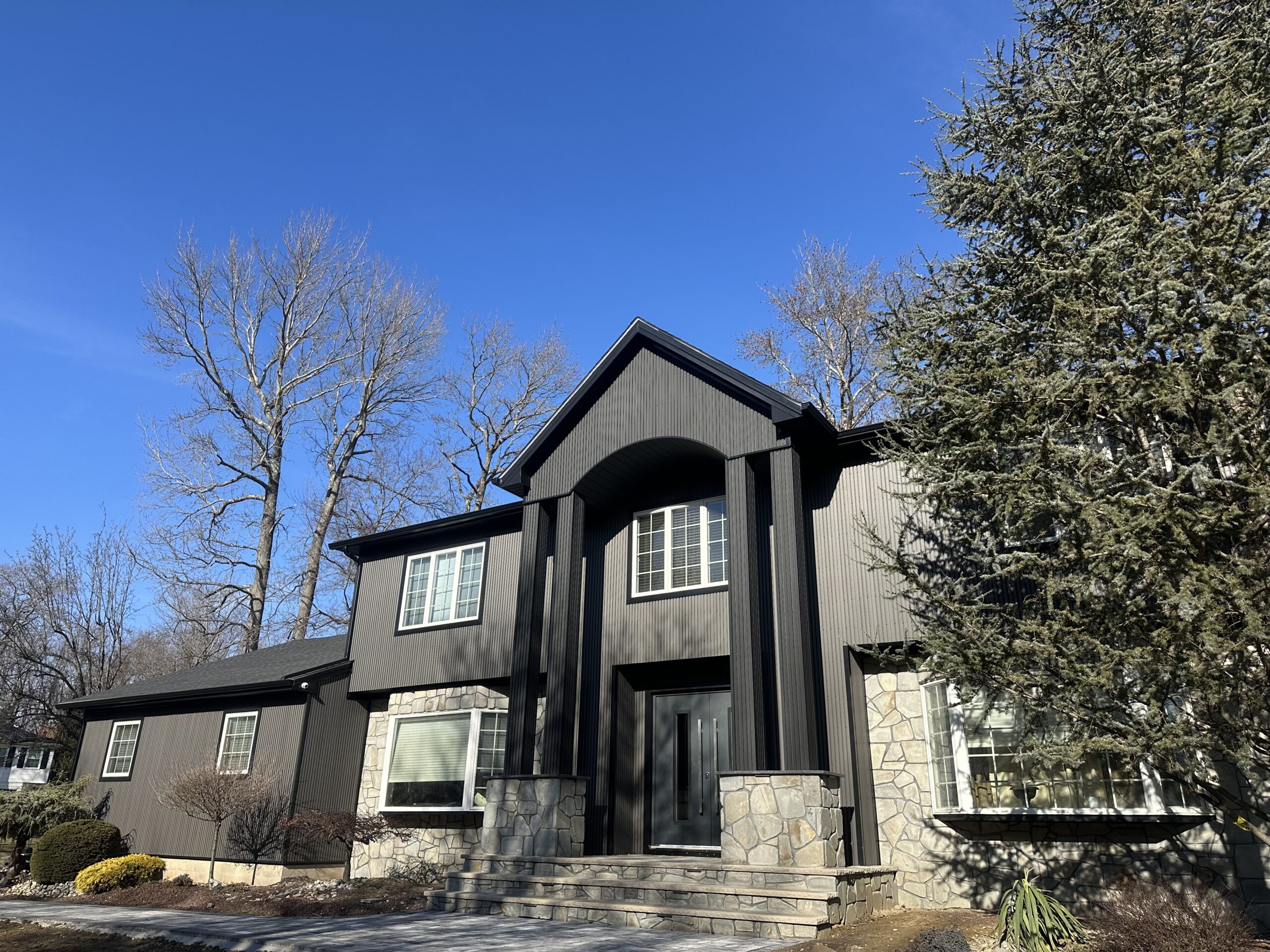
MANALAPAN, NJ
GAF Charcoal Roof Replacement
View a completed Manalapan roof replacement featuring the deep, neutral appearance of GAF Charcoal architectural shingles.
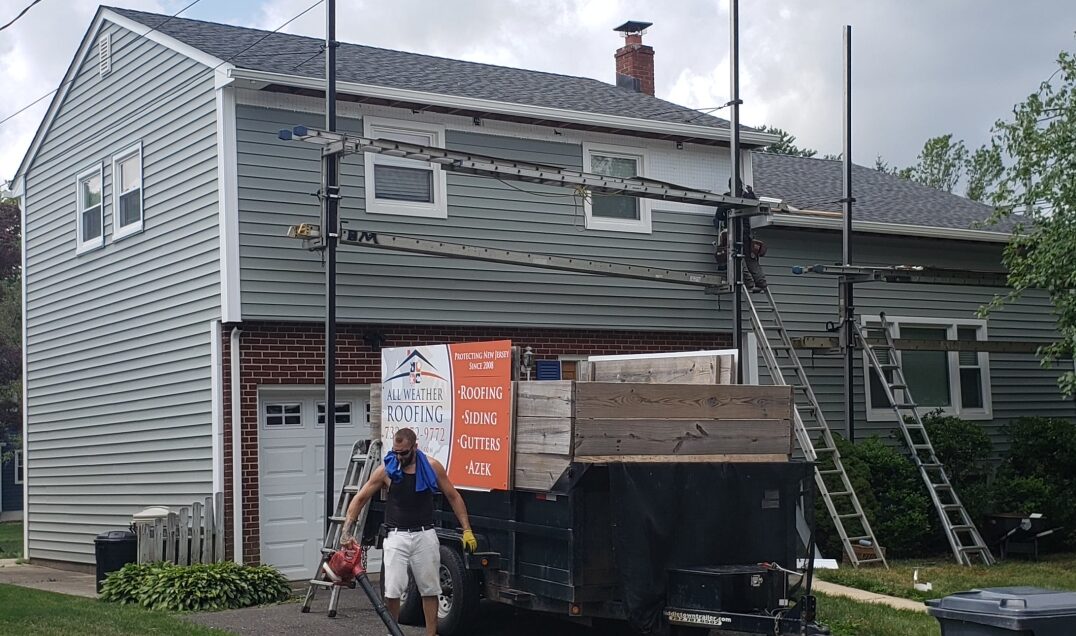
FREEHOLD, NJ
GAF Pewter Gray Roof Replacement
See how GAF Pewter Gray shingles complement the exterior colors and architectural details of this completed Freehold roofing project.
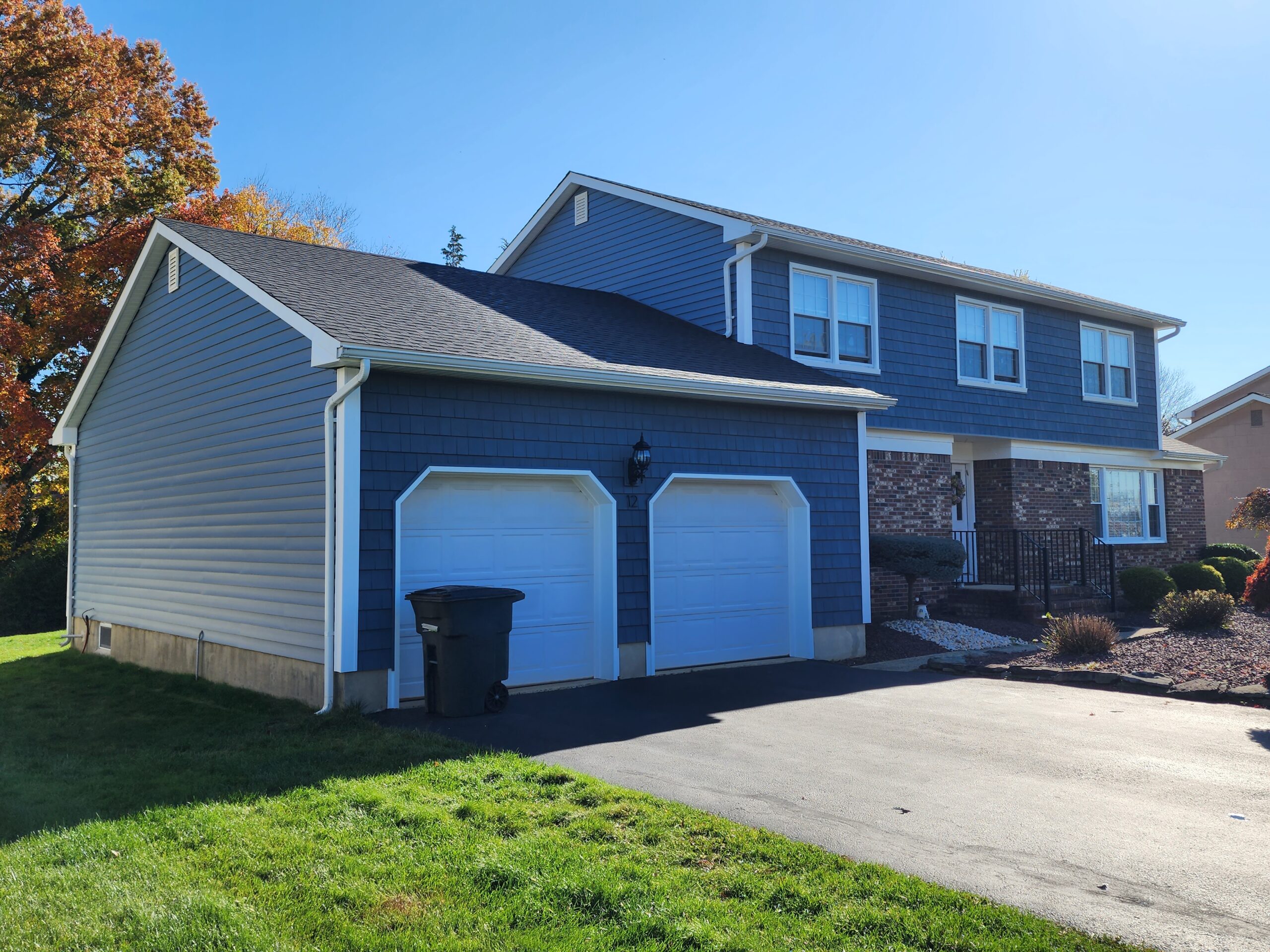
MARLBORO, NJ
GAF Charcoal Roof Replacement
Review a completed Marlboro roof replacement using GAF Charcoal shingles for a clean, versatile, and finished appearance.
ROOF WARNING SIGN FAQ
Questions About Roof Repair and Replacement
These answers provide general guidance. The condition of the complete roofing system should be evaluated before deciding whether repair or replacement is appropriate.
Does a 20-year-old roof automatically need replacement?
No. Roof age provides useful context, but it does not determine the answer by itself. Installation quality, ventilation, material type, exposure, maintenance history, previous repairs, and the current condition of the complete system should all be considered.
Can a single roof leak be repaired?
Many isolated leaks can be repaired when the entry point is identifiable and the surrounding shingles, flashing, underlayment, and decking remain in serviceable condition. Repeated leaks or problems in multiple areas may indicate a broader roofing-system issue.
Do dark streaks mean the roof is failing?
Not necessarily. Dark streaks are often associated with algae growth and may be primarily cosmetic. However, staining should be distinguished from trapped moisture, deteriorated materials, or active leaks. Avoid aggressive pressure washing, which can damage asphalt shingles.
Does granule loss mean I need a new roof?
Some loose granules are normal, especially shortly after installation. Widespread exposed asphalt, bare areas, uneven deterioration, or continued heavy granule loss across an older roof may indicate that the shingles are approaching the end of their useful life.
What should I check after strong wind or a severe storm?
Look safely from the ground for missing or displaced shingles, loose flashing, fallen branches, gutter damage, and roofing debris. Check ceilings and accessible attic areas for new stains or moisture. Do not walk on a wet, icy, steep, or visibly damaged roof.
How do I decide between another repair and roof replacement?
Consider whether the problem is isolated or widespread, whether leaks keep returning, the condition of surrounding materials, the roof’s repair history, and whether additional repairs would provide dependable long-term value. A complete evaluation should lead to a clear explanation of the practical options.
READY TO START?
Request a Clear Roofing Estimate
If you are planning a roof replacement, siding project, or gutter work in Monmouth County, we can help you understand the condition of your home and the options that make sense.
You can expect straightforward communication, a written estimate, and recommendations based on what your home actually needs.
✓ 15-Year Workmanship Warranty
✓ 60+ Five-Star Reviews
Tell Us About Your Project
Share a few details and we’ll follow up to schedule the next step.